What do we know about Mesolithic?
Learn about the Mesolithic period: climate change, stone tools, diet, and how it differed from the Paleolithic.

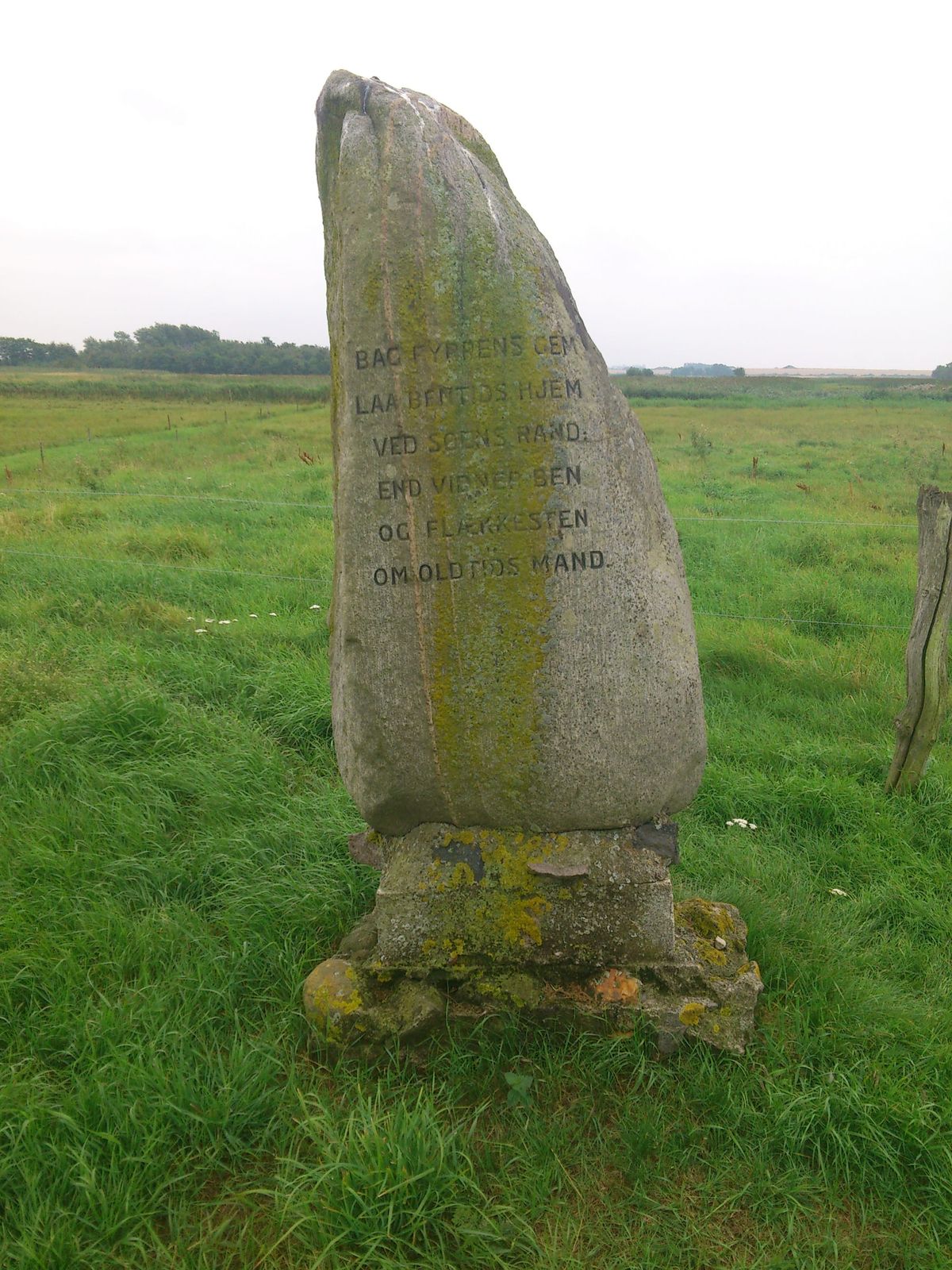
Still not done with stone age. Having previously examined the earliest era of human history, the Paleolithic, we now turn our attention to the Middle Stone Age, or Mesolithic. This transitional period brought profound shifts to both human society and the environment.
Therefore, the Mesolithic (Middle Stone Age) was a prehistoric period between the Paleolithic and Neolithic, characterized by climate warming, microlithic tools, and hunter-gatherer adaptations. In the Mesolithic, the environment changed from cold and dry snowy climate to warmer one. Mesolithic people had to adapt to new surroundings and had to develop new kinds of stone tools. Although they did not leave the old lifestyle, they still were hunters and gatherers, but their nutrition altered due to the changing of flora and fauna.
Mesolithic Chronology and Climate Change
This prehistory period is dated from 9500 BC to 7000 BC when Neolithic began – Note: this time frame is applied to southeastern European Mesolithic, in the northern part of Europe, Mesolithic ended in 5000 BC. Also note that warming did not begin exactly at 9500 BC, climate warming began earlier at approximately 17000 BC when sea levels started to rise due to melting of ice, warming was a very long period, as was adaptation to new environments.
Read more: Lower or Early Paleolithic
How Does the Mesolithic Differed from the Paleolithic?
As mentioned, flora and fauna changed. Large paleolithic animals went extinct or migrated to the north, smaller and faster animals (like deer, roe deer, wild cattle, wild pigs and birds) were the main source of nutrition. Likewise, a new source of nutrition was fish hunting and gathering of seashells, this was due to ice melting which created, i.e. altered river flows and created lakes. It is suggested that Mesolithic people ate fruits, nuts, hazelnuts, roots and seeds.
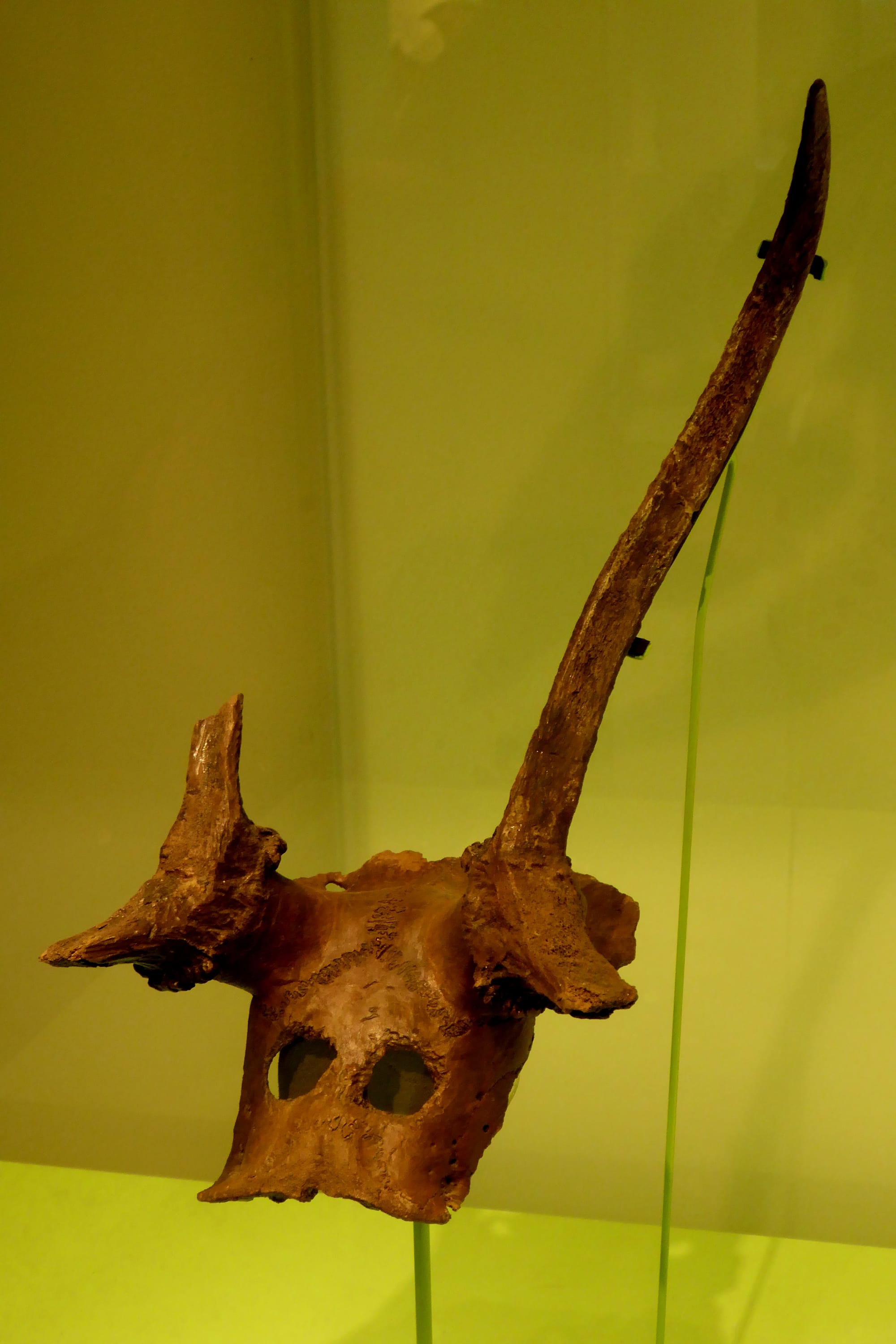
Another characteristic of Mesolithic is small stone tools. Because nutrition changed, tools had to be modified. Also, the technology of stone tools making has changed. The new thing in Mesolithic, unlike Paleolithic, was pottery, but nota bene, pottery was made only in some parts of northern Europe at this time, for example in Scandinavia. The new means of travel were boat monoxylon and possibly ski. The Nomadic way of life was slowly abandoned, first settlements were made, and people started to exploit surroundings even more. This also meant that burials were often and that burial cults started to develop. Unlike the Upper Paleolithic, art in some way vanished, there are not many findings of cave art in Mesolithic, but archaeologists think that jewelry made of seashells was some sort of art or expressing of individuality.
Read more: Middle Paleolithic
Conclusion
The Mesolithic remains a crucial but often overlooked chapter in human prehistory, bridging the gap between the Paleolithic and the Neolithic. It was a time of profound environmental transformation, technological innovation, and cultural adaptation, as hunter-gatherers responded to a warming climate, shifting ecosystems, and new resources. Though less visible in the archaeological record than the cave art of the Paleolithic or the farming revolution of the Neolithic, the Mesolithic laid the groundwork for later developments through its microlithic tools, early pottery, increased sedentism, and emerging burial practices. Understanding this period helps us appreciate the resilience and creativity of early human societies as they navigated one of the most significant climatic transitions in our species’ history.
This article explores themes related to Mesolithic, Middle Stone Age, climate change, hunters and gatherers.
Sources:
Težak – Gregl, T., Hrvatske zemlje od starijega kamenog do bakrenog doba. Prapovijest hrvatskih zemalja 1. svezak, Zagreb: Leykam international, 2017.
Crombé, P., “Mesolithic projectile variability along the southern North Sea basin (NW Europe): Hunter-gatherer responses to repeated climate change at the beginning of the Holocene,” PLOS ONE 14(7): e0219094. (2019) https://doi.org/10.1371/journal.pone.0219094
Grünberg, J. M., “Mesolithic burials and mortuary practices: Traditions, developments and regional diversity,” L’Anthropologie 128(3): 103278. (2024) https://doi.org/10.1016/j.anthro.2024.103278
Fisher, L. E., “Blades and microliths: Changing contexts of tool production from Magdalenian to Early Mesolithic in southern Germany,” Journal of Anthropological Archaeology 25(2): (2006) 189–212. https://doi.org/10.1016/j.jaa.2005.09.002
Ricci, G., Audiard, B., Tomasso, A., Hoareau, L., Julien, M.-A., Mologni, C., Purdue, L., & Porraz, G., “Mesolithic Occupations During the Boreal Climatic Fluctuations at La Baume de Monthiver (Var, France),” Open Archaeology, 9, Article 1. (2023) https://doi.org/10.1515/opar-2022-0341
Peyroteo-Stjerna, R. “CHRONOLOGY OF THE BURIAL ACTIVITY OF THE LAST HUNTER-GATHERERS IN THE SOUTHWESTERN IBERIAN PENINSULA, PORTUGAL.” Radiocarbon 63, no. 1 (2021): 265–99. https://doi.org/10.1017/RDC.2020.100.