History

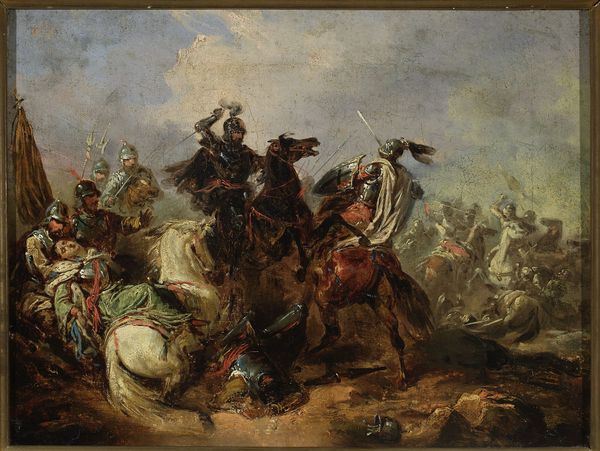
Medieval Sicily: Hohenstaufen, Angevin, and Aragonese

Discover Medieval Sicily's turbulent saga: From Hohenstaufen golden age under Frederick II to Angevin oppression sparking the Sicilian Vespers, and from birth of the Italian sonnet to Aragonese fusion with Spainish culture. Prosperity amid chaos in Europe's multicultural jewel.

Why Were the 1980s Obsessed with the Future? And What Does That Tell Us About Today?

The 1980s didn’t predict the future, they projected their fears onto it. From RoboCop to Nineteen Eighty-Four, sci-fi cinema became a mirror of Cold War paranoia, technology, and control. And that reflection still speaks to us today.

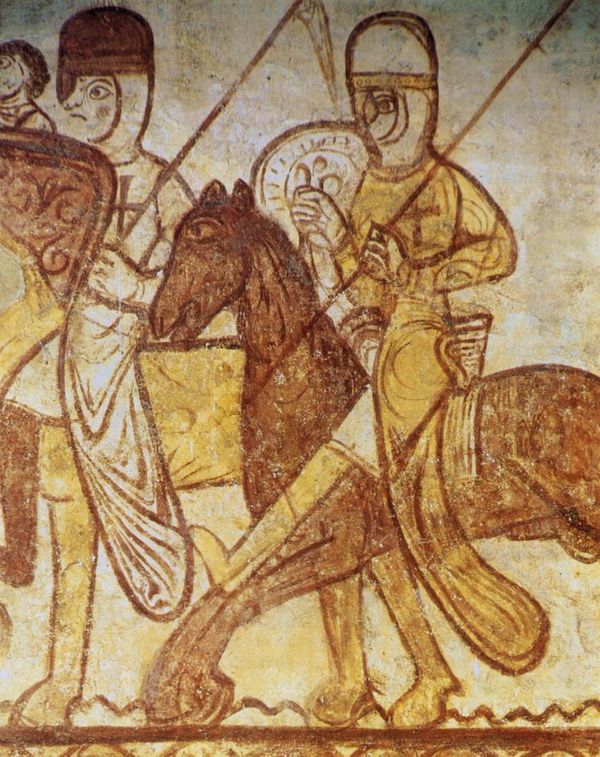
Medieval Sicily: A Multicultural Society of Arabs, Normans and Byzantines

Medieval Sicily was a crossroads of cultures where Arabs, Normans, and Byzantines shaped a unique society. From conflict to coexistence, the island reveals how diverse peoples influenced its art, politics, and identity in lasting ways.

How Do Resurrection Scenes Differ from One Another in the Gospels?

Ever wondered why the Gospels' resurrection stories differ? From Mark's fearful women to John's intimate encounter, explore angels, witnesses, and theology – canonical vs. Gnostic views. Uncover the truth behind Jesus' rising!

What Can We Learn from Cleopatra and Hatshepsut Today?

Who controls history: the rulers or the storytellers? Cleopatra and Hatshepsut show how narratives shape reality, and why critical thinking matters more than ever.

Where’s the Light in the Enlightenment Era? Part II

Wars, the scent of perfume over soap, and the fight for basic rights. Part II of debunking the Enlightenment myth reveals the dark side of an era that took pride in its reason.

Where’s the Light in the Enlightenment Era? Part I

Was the Enlightenment truly enlightened? Explore the rise of science and art through the lens of forgotten women and revolutionary ideas that reshaped the world map.

Helike 373 BC: The Earthquake That May Have Inspired Atlantis

Human communities can react differently to catastrophes; some may never return to the place affected, while others may be more resilient and adaptable. To learn what the example from 373 BC demonstrates, read below.

Prejudices on the Eastern and Western Sides of the Berlin Wall

When the Berlin Wall fell in 1989, it wasn’t just concrete that came down but an entire era collapsed with it. Communism in Eastern Europe was crumbling, and Germany was about to become whole again. Learn more if you want to know how the West felt about the East, and vice versa.

The Discovery of Penicillin: The Accident That Changed the World

In August 1928, bacteriologist Alexander Fleming was working at St. Mary’s Hospital in London when he noticed something unusual. Curious what Fleming discovered and how it changed medicine? Read below.