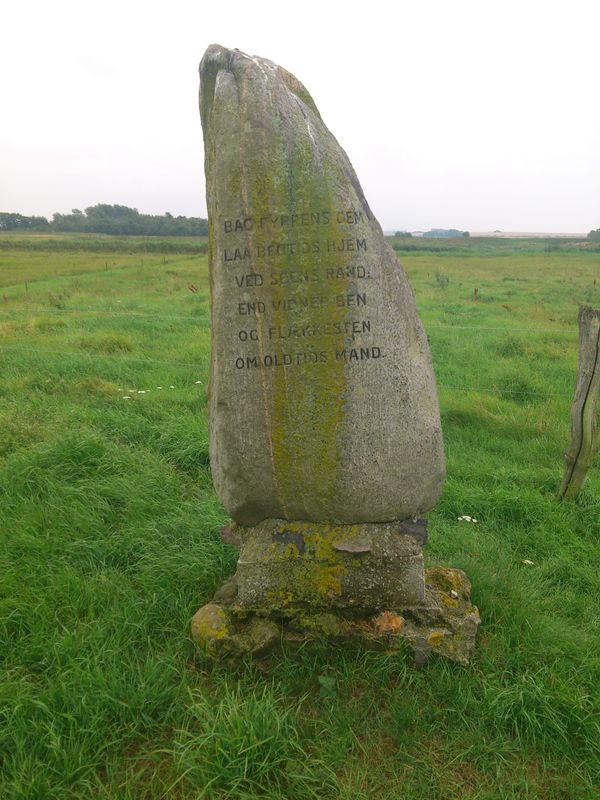
History
What do we know about Mesolithic?
Learn about the Mesolithic period: climate change, stone tools, diet, and how it differed from the Paleolithic.
Literature
A critical look at García Márquez's Until August – how critics and readers reacted to its male-gazed heroine, its unfinished feel, and the decade-long debate over publishing a dead author's final, incomplete manuscript.
Culture & Society
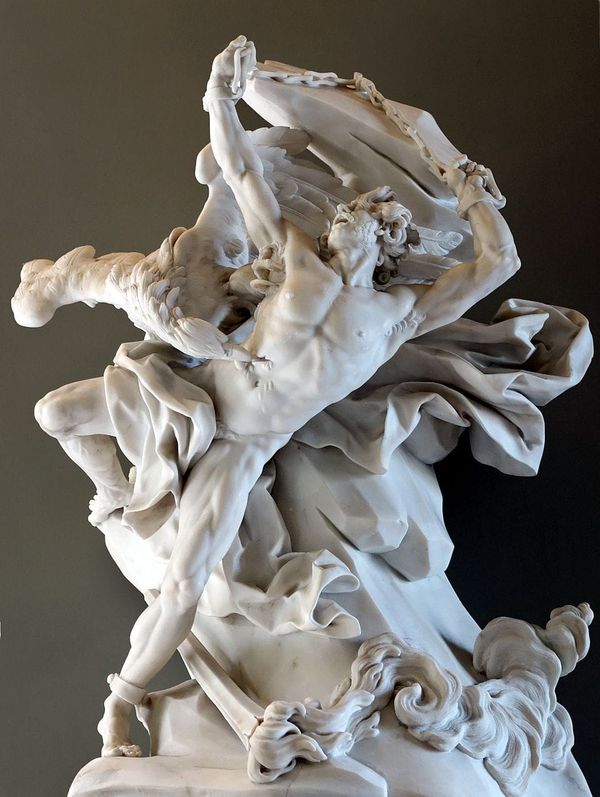
Discover the fluid nature of the Prometheus myth. From ancient satire to Mary Shelley's Frankenstein and modern digital art, explore how the Promethean man shapes high technology, progress, and moral responsibility. Is the stolen fire a blessing or a curse for human civilisation?
Literature
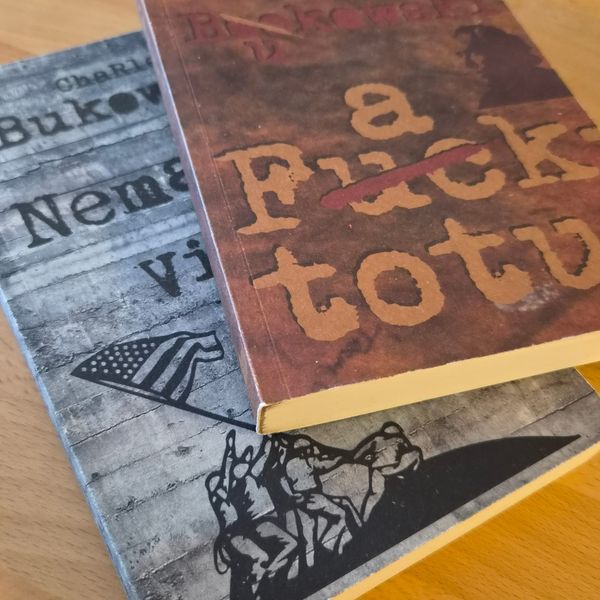
The younger Bukowski wrote, to paraphrase, that it's always better if the writer actually experiences the material for his texts. Later, he admitted: “To not to have entirely wasted one's life seems to be a worthy accomplishment, if only for myself.” Which one is fiction, and which is real?
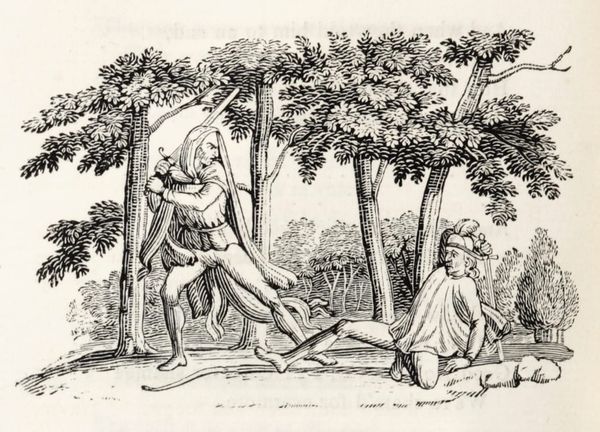
Robin Hood is more than a medieval outlaw. His legend shows how stories transform across centuries, reflecting the values, fears, and hopes of the societies that preserve them. From early ballads to modern films, Robin Hood remains a symbol of justice, resistance, and changing ideas about heroism.
The 1980s didn’t predict the future, they projected their fears onto it. From RoboCop to Nineteen Eighty-Four, sci-fi cinema became a mirror of Cold War paranoia, technology, and control. And that reflection still speaks to us today.
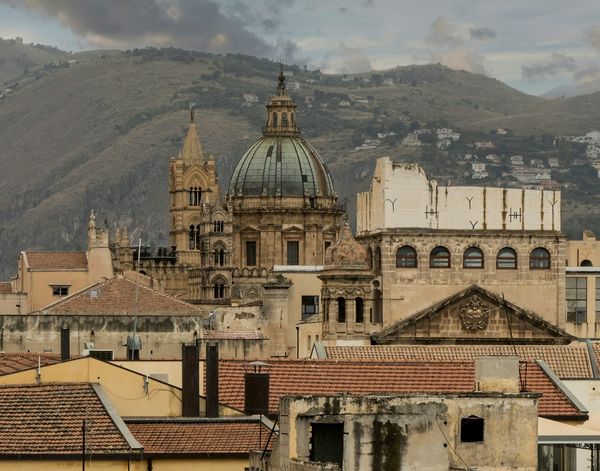
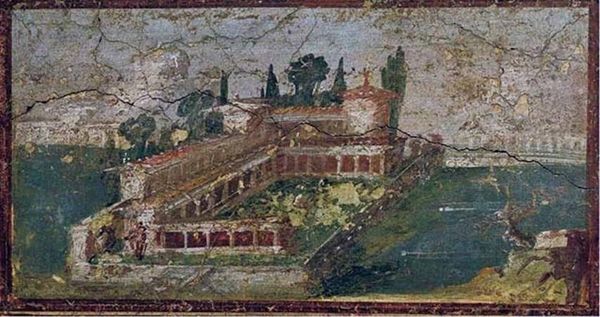
Medieval Sicily was a crossroads of cultures where Arabs, Normans, and Byzantines shaped a unique society. From conflict to coexistence, the island reveals how diverse peoples influenced its art, politics, and identity in lasting ways.
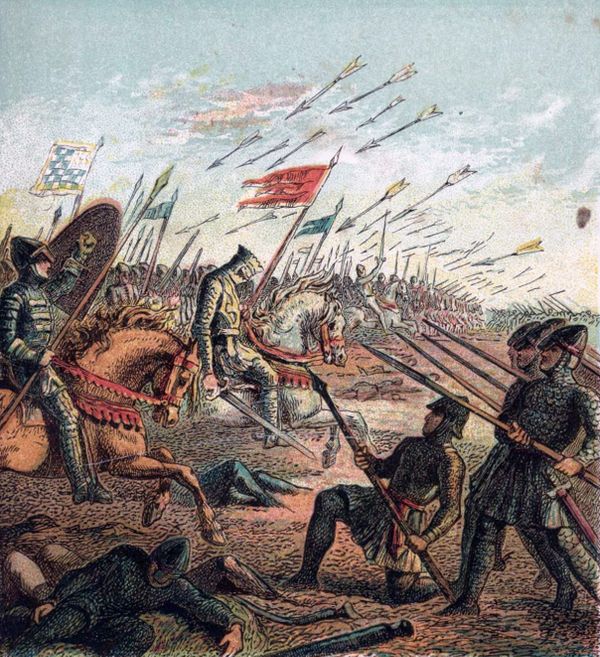
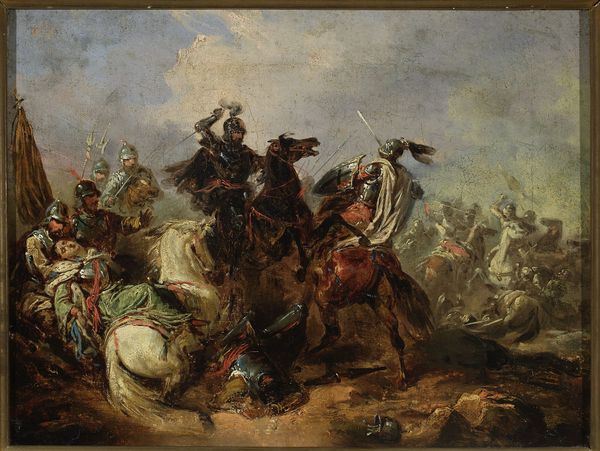
Cavalry had already been established and was dominant during the Early Middle Ages. In films, knights are often portrayed as being completely covered in armor, riding horses and wielding swords or spears. But how accurate is this depiction? Read on to find out.
Essays on history, literature and culture for curious minds who believe the past still has something to say.
Greek colonisation of the Adriatic was far more complex than peaceful expansion. Discover how colonies such as Pharos, Issa and Corcyra reshaped the eastern Adriatic through migration, conflict, trade and cultural exchange with indigenous communities.
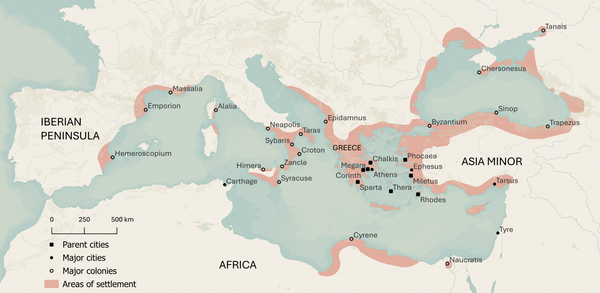
From Sicily to the Black Sea, Greek colonisation reshaped the ancient Mediterranean. But how did it actually work, and who was behind it? The story is more organised, and more political. To find out more, read below.
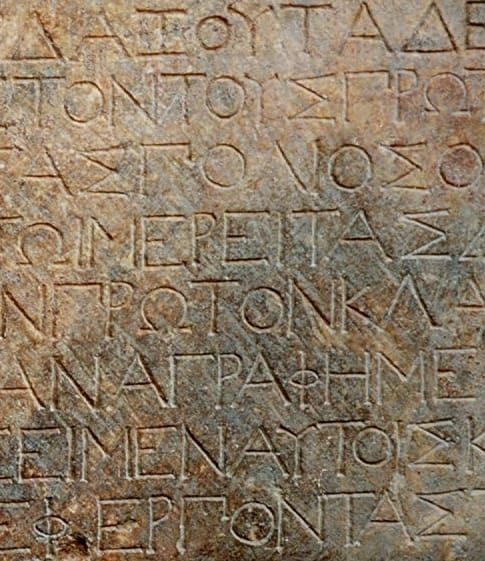
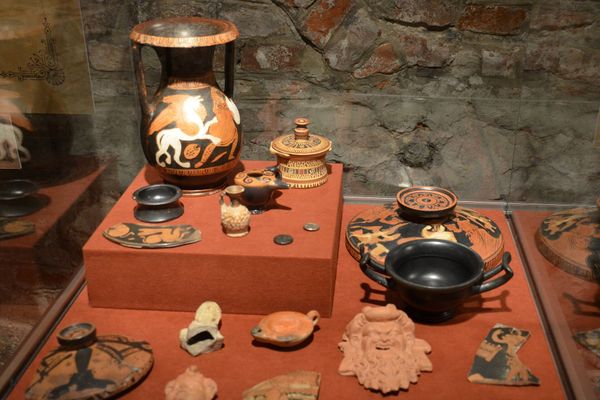
Greek colonisation was a long process shaped by trade, migration, and contact across the Mediterranean. From the 8th to the 6th century BC, Greeks founded new settlements that transformed the ancient world and connected different peoples and cultures.
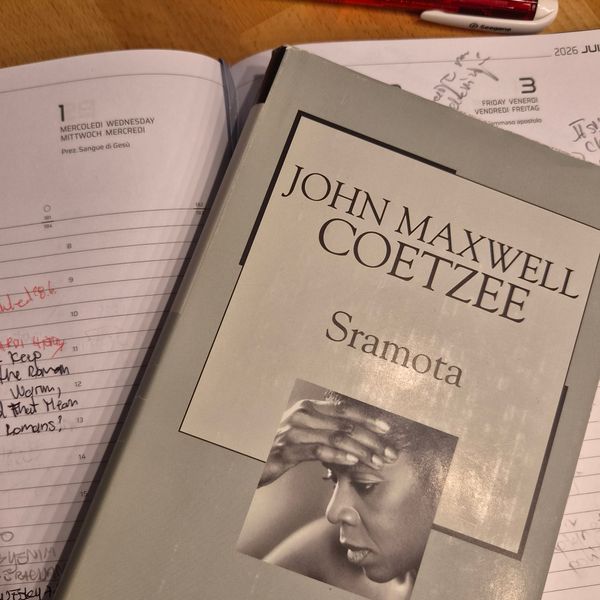
Published in 1999, Disgrace is a novel that leaves a nauseating sensation from the first page to the last – and a question that lingers long after: what does it mean to read it today, after MeToo?
Was the Roman Empire built not only by armies and politics, but also by climate? Climate research reveals how a warmer Mediterranean supported Rome's rise and how changing temperatures, famine and plague transformed the ancient world.
Light Academia is an internet subculture built around an idealized academic life. It focuses on the joy of learning, friendships, and light aesthetics. However, its romanticized view erases the harsh reality of student stress, financial privilege, and cultural eurocentrism.
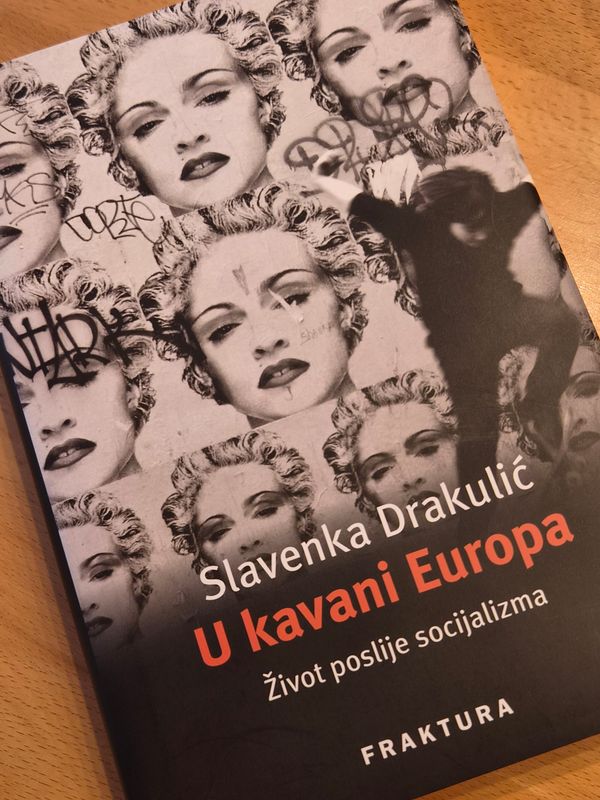
Croatia has lost one of its strongest literary voices. Slavenka Drakulić - dissident, feminist, exile - left behind a body of work that reads less like history and more like a mirror held up to the present.
The Crusades began as wars for the Holy Land but gradually became something far broader. By the 13th century, crusading campaigns targeted heretics, pagans, political enemies, and even fellow Christians, transforming the very idea of holy war.
Robin Hood is more than a medieval outlaw. His legend shows how stories transform across centuries, reflecting the values, fears, and hopes of the societies that preserve them. From early ballads to modern films, Robin Hood remains a symbol of justice, resistance, and changing ideas about heroism.
The Crusades are often remembered as holy wars fought in the name of faith. Still, behind the language of religion stood political ambition, violence, economic interests, and struggles for power that transformed medieval Europe.
Vučedol Culture flourished in the Eneolithic (3000–2400 BC), centered in eastern Croatia. Known for unique handmade pottery, white inlay, and geometric motifs, it spread across the Balkans and Central Europe, leaving a lasting legacy in Croatian and world prehistory.
The Crusades were not driven by faith alone. From Church reform and papal ambition to knightly warfare and political instability, medieval Europe created the conditions that made the Crusades possible.