World War I on the Western Front: Disease, Occupation and Neutral Countries
Beyond the trenches, the Western Front fought a second war: tuberculosis in France, occupation-driven epidemics in Belgium, and the quiet health toll on neutral Portugal, Spain and the Netherlands. A look at disease, prostitution and violence behind the front lines.

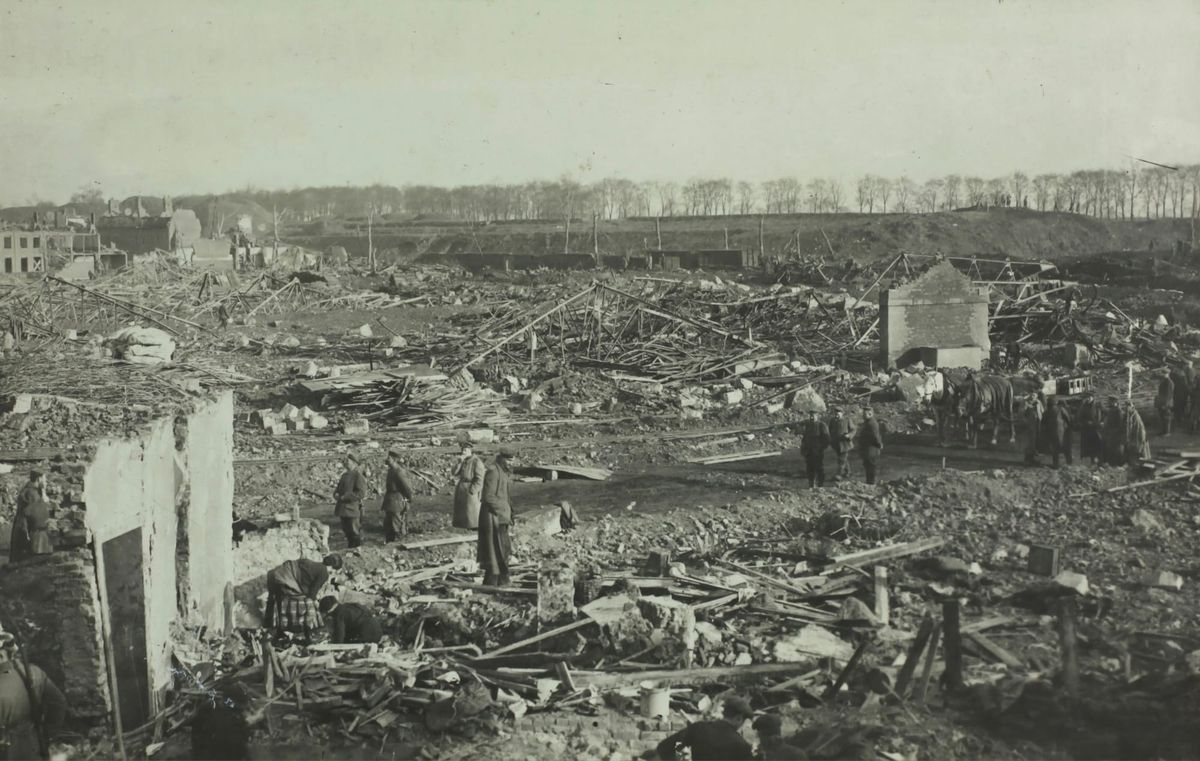
Monday, October 19th [1914] —Rouen, 9 p.m. Got here late last night, and all the wounded were taken off straight away to the two general hospitals here. One has 1300 cases, and has kept two people operating day and night. A great many deaths from tetanus.
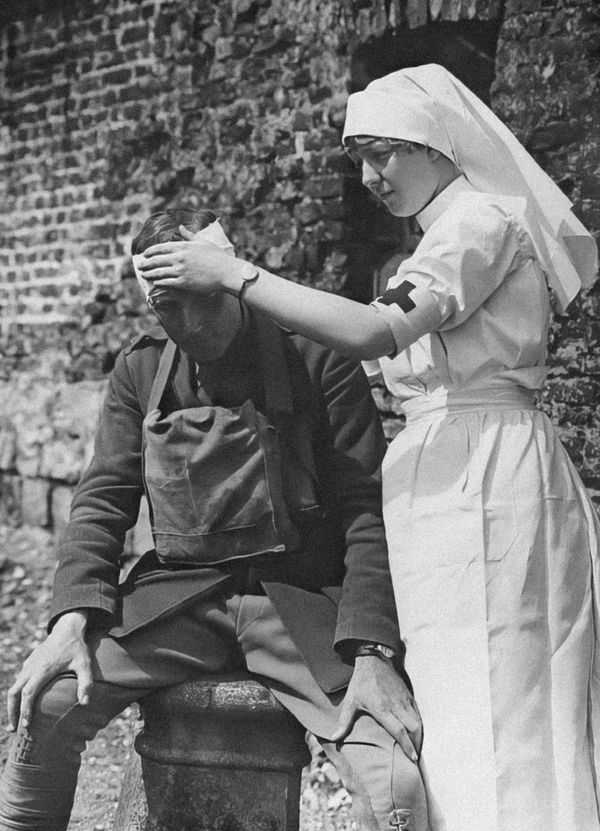
Those were the words written by Kate Luard in her diary. Luard was a British nursing sister who served on the Western Front from the first weeks of the war, and captured the reality of war in her diary, later published as Diary of a Nursing Sister on the Western Front, 1914–1915. Alongside the wounded she nursed daily, she also noted the presence of illness among her patients, a telling reminder that disease sat beside the battlefield wounds in every ward she worked in.
The Western Front is remembered for its trenches and its stalemate, but for the soldiers and civilians who lived through it, the greater danger was often invisible. Tuberculosis, typhus, dysentery and venereal disease moved through camps and towns just as steadily as armies moved across the continent, and disrupted supply lines, occupation and mass mobilisation only made the conditions worse.
This part of the series looks at how those diseases played out on the ground: in France, Belgium and Great Britain, and in the neutral countries of Portugal, Spain and the Netherlands, whose fates were shaped by the war even without a shot being fired on their own soil.
Disease and Trench Warfare in France During World War I
Many diseases passed through French trenches, camps, and cities, but some stood out. This country struggled with a surge of tuberculosis and other illnesses, and in the fight against the disease there was a shortage of medical staff and equipment. The percentage of those falling ill with typhus rose; according to Cretu, citing Michael Huber, in 1914 there were 8,700 civilian deaths, 64,200 deaths from tuberculosis in 1914, while diphtheria claimed 2,300 lives in 1914 and 4,200 lives in 1918. Among French soldiers, tuberculosis was the leading killer, claiming approximately 40,000 soldiers' lives, while 150,000 fell ill with it in the army and military camps. There were hospital wards set aside specifically for tuberculosis patients alone. In the winter of 1917, in the northern French port of Etaples, where a British military camp was located, an outbreak of purulent bronchitis occurred. This shows that tuberculosis wasn't the only respiratory disease in the French army. Respiratory illnesses weren't the only diseases torturing France, as well.
Venereal diseases were common among soldiers and civilians alike, and a dedicated ward for the treatment of venereal diseases operated from 1915 until the end of the war. More on this later in the text.
Moreover, teams of health workers, on their way to wounded soldiers at the front, would visit women, children and the elderly, providing them with medical care. They did not begin an organised round of the refugee camps until 1917, where they found over a thousand refugees crammed into cramped, filthy barracks, children infected with impetigo (sweet scabs) and pediculosis (lice infestation). To give a clearer picture of the position of the French population, while shells were falling, women and children worked the fields wearing gas masks on their heads.
Alongside infectious diseases, psychological problems developed among soldiers which were very quickly noticed, and attempts to treat them in French hospitals had already begun by 1916; indeed, Pedroso holds that camptocormia (a spine bent forward) was a consequence of shell shock, arguing that stress and the way of life in the trenches, where soldiers often walked stooped over, caused the condition. It was treated with electric currents, that is, electrotherapy. The best treatment option known at the time.
Belgium's Occupation and the Toll of Disease in WWI
The advance of the German army in the autumn of 1914 forced the retreat of the army and, along with it, of the military medical personnel and the staff of the Red Cross and other health associations, and the urban population retreated alongside them. It is possible that diseases travelled along this same route, following their path from town to town, from Antwerp towards Ghent, to Bruges, and then to Ostend.
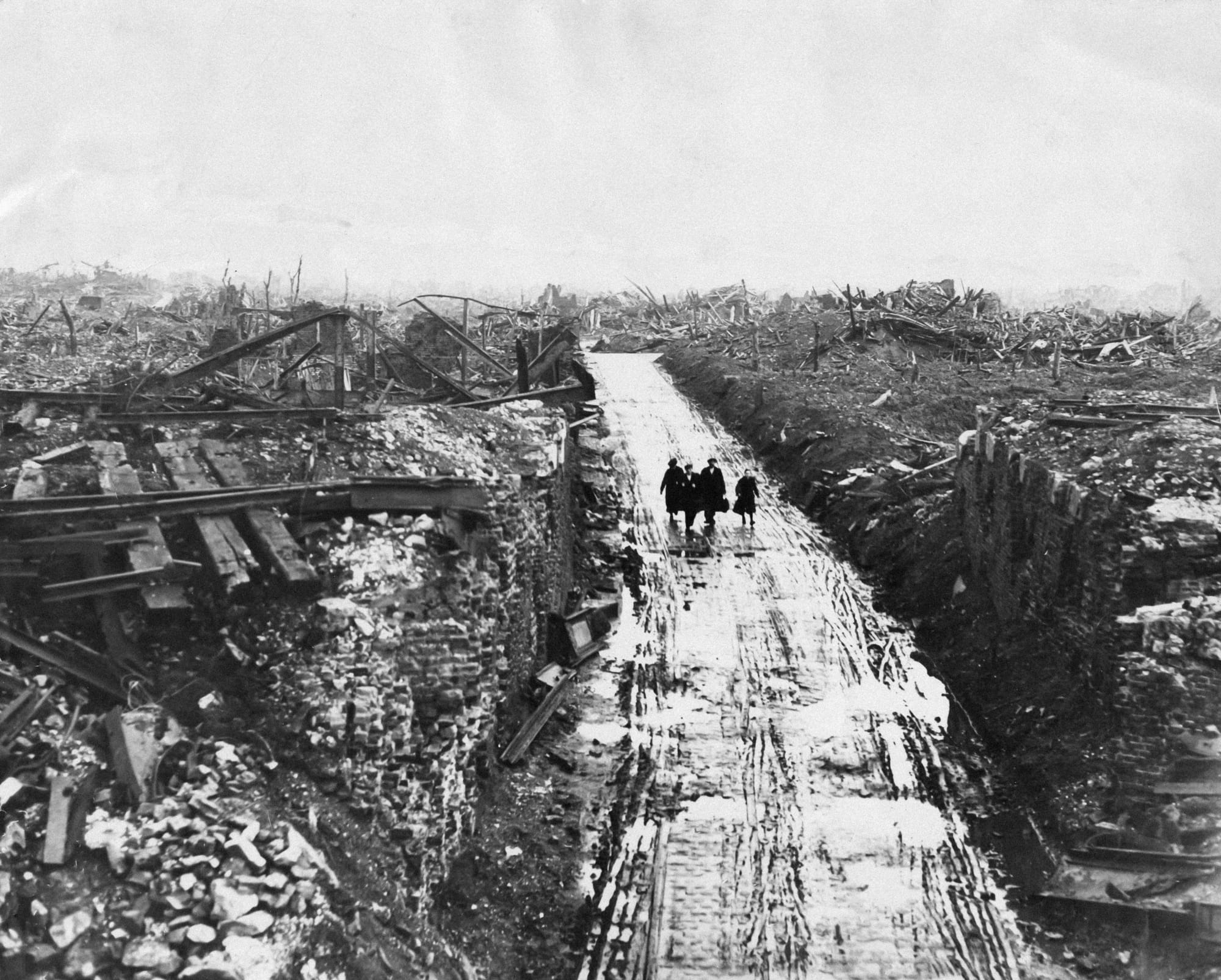
Belgian war losses are estimated at around 40,000 soldiers, a third of whom died of disease rather than in combat, and from 1917 onwards pulmonary tuberculosis became an increasingly serious problem, reaching a particularly high mortality rate in Brussels in 1918. The German occupation of the country imposed a strict regime, shortages and disruptions to supply, which in turn worsened the health conditions of both civilians and soldiers, and in some occupied areas disease, alongside malnutrition and exhaustion, was among the leading causes of death.
How World War I Diseases Reached Britain's Home Front
Although Great Britain, setting aside aerial bombardment, saw no direct conflict on its own soil, it nonetheless felt the consequences of the war. In the winter of 1915 it witnessed high mortality from influenza, bronchitis and pneumonia, while children suffered from illnesses such as whooping cough, diphtheria, measles, tuberculosis and meningitis, and adults were treated for sexually transmitted diseases.
In the spring of 1917, in Aldershot in the southeast of England, where the British army was stationed, a disease appeared that was thought to be purulent bronchitis, though this disease may in fact have been one of the types of influenza. Britain increased its healthcare personnel from 1,000 at the start of the war to 160,000 by 1918. The authorities provided disinfection and vaccinations throughout the country, and encouraged the maintenance of hygiene within the military ranks. The very efforts of the authorities demonstrate the severity of the problem that infectious diseases posed in Great Britain during the Great War.
Prostitution on the Western Front
The mass mobilisation and concentration of soldiers on the Western Front increased demand for commercial sex, while the wider social upheaval of the war weakened the usual forms of oversight, so that unregistered, clandestine prostitution grew alongside it. France and Germany responded by organising military brothels, including the maisons tolérées in France, which often required prostitutes to undergo compulsory medical examinations and hygiene measures intended to reduce the risk of venereal disease. In occupied Belgium and northern France, German units went further still, systematically monitoring prostitutes, introducing compulsory examinations and isolating infected women in specialised centres, and occupied towns saw a visible rise in prostitution from the autumn of 1914 onwards.
In Belgium's occupied towns, the German authorities kept close watch over women identified as prostitutes, placing infected women in centres for forced treatment that the local population sometimes referred to disparagingly as the parc à poules, or the henhouse. Alongside the rise in prostitution, other forms of intimate relationships also developed between German soldiers and local women, though these rarely survived beyond the war, and sexual aggression was, on the whole, more pronounced during the invasion itself than over the course of the long occupation that followed.
Sexually Transmitted Diseases in World War I Armies
Venereal diseases such as syphilis and gonorrhoea were treated as a serious military concern, since although rarely fatal, they caused a significant loss of manpower, required costly and lengthy treatment, and carried the risk of spreading to soldiers' families. The armies involved combined education, prophylactic measures such as condoms and disinfection, compulsory examinations of both soldiers and prostitutes, and punitive measures, and the French and German authorities also framed the issue in terms of concerns for the birth rate and the health of future generations. In occupied Belgium and France, the German authorities went as far as establishing a form of moral police from February 1915, carrying out regular examinations, often twice a week, and enforcing the treatment of infected women in dedicated centres, measures that reflected a fear that epidemics of this kind might weaken the fighting force.
Sexual Violence on the Western Front
During the German advance into Belgium and France in August 1914, a large number of rapes were recorded alongside other attacks on civilians; many cases went unreported because of stigma and fear, and the surviving documentation is most extensive for 1914 and 1915.
Sexual violence became less frequent once occupation set in, though it did not disappear altogether, and some cases during this period were connected to the exploitation of positions of power, through requisitioning, forced labour or hunger, as well as to threats of violence or emotional coercion. These rapes were used extensively in wartime propaganda, most notably in the Bryce Report, and in France they gave rise to public debate over so called enemy children. It is estimated that between one thousand and five thousand children were born of rape in France, with documented cases continuing even after the front had stabilised.
Sexual abuse on the Western Front represents heinous crimes that are occasionally overlooked in discussions about the First World War.
Portugal's Path from Neutrality to the Western Front
Portugal had been a republic since 1910 and remained so until 1926. The war years of the First Republic were marked by difficulties for the health services in the fight against disease. As early as the summer of 1914, restrictions had been introduced on food, particularly on wheat, which provoked resentment among millers and traders. From 1915 to 1918, food shortages prevailed, especially in flour and meat, and so the authorities banned the export of goods in order to keep as many supplies as possible within the country. Discontent grew, and frequent unrest and riots intensified the repression already in place, something particularly felt throughout 1917.
Sanitary measures were driven by the army's efforts to prevent the spread of disease. For this reason, makeshift hospitals were set up, and every district had its own pharmacy and medical staff who cared for the sick and wounded, working alongside the Red Cross and the army, which was responsible for transporting patients. Those with more serious diagnoses were moved into quarantine. By law, every household had to be disinfected, not only the living space but also the patient's personal belongings. Towns were divided into districts to make it easier to control epidemics. Beyond the legal sanitary obligations, an arguably more important role was played by public health education, although its successes only became apparent in the years after the war.
A typhus epidemic appeared in the north of Portugal in 1917 and lasted until 1919. The disease was brought into the towns by migrants from infected areas. Spanish flu spread in the same way in 1918, carried by seasonal hired labourers and the army. In order to prevent the widespread transmission of the flu, public gatherings were banned in the autumn of 1918. Another health problem appeared in 1918, a smallpox epidemic. The reason for its unimpeded spread was low vaccination uptake; not because the government had failed in carrying out vaccination, but because the population refused to be vaccinated, much like today. As with smallpox, the authorities invested great effort in combating tuberculosis, yet despite these efforts mortality remained high throughout the war years, particularly in the north of Portugal.
Although Portugal remained neutral until 1916, it then entered the war on the side of the Entente, and Portuguese forces went on to serve both on the Western Front, as part of the Portuguese Expeditionary Corps, and in Africa. Most Portuguese deaths, between seven and eight thousand, occurred in Africa and were largely the result of disease rather than combat, while in France around two thousand soldiers were killed and more than seven thousand were declared unfit for further service.
Read more: World War I Diseases and Health Conditions
Spain: A Neutral Country and Wartime Refuge
Spain maintained a benevolent neutrality towards the Entente throughout the war, despite internal divisions and pressure from both sides, and formally never entered the conflict.
As a neutral country, it was a desirable destination for refugees. The first immigrants, however, were not foreigners but Spanish hired labourers who had been working in German mines and French vineyards and who began arriving back in Spain. However, as France faced a severe labour shortage during the war, Spanish migrant workers began returning to French farms. With the armistice in the autumn of 1918, many began returning to Spain.
The best-documented disease in Spain during the war was the Spanish flu, as the country was not subjected to strict censorship. The disease spread across the country via the railways, with population migrations contributing significantly to its transmission.
Besides day labourers, political "enemies" also emigrated to France. As French deserters and young men wishing to avoid mobilisation entered the country, along with other people wanting to avoid or take shelter from the war, among them were also refugees from Germany, Russian students and tourists, and other nationalities besides. The war years in Spain were marked by unrest from 1916 to 1918, provoked by the new regime.
The Netherlands: A Neutral Country Under Wartime Pressure
The Netherlands also remained neutral, though it came under considerable pressure because of the naval blockade, trade restrictions and the flow of refugees across its borders, and its army stayed mobilised throughout the war. Unlike France, Belgium or Portugal, there is little to suggest that prostitution, venereal disease or sexual violence were significant issues within the country during this period, since the Netherlands was neither occupied nor a battlefield, and the surviving accounts of its wartime experience instead focus on military mobilisation, refugees, censorship and economic hardship.
However, the Netherlands faced health risks similar to those elsewhere in Europe: wartime displacement (hundreds of thousands of Belgian refugees), a mobilised army of around 200,000 men, and shortages of food and medicines due to blockades and German demands created conditions conducive to the spread of infectious diseases. Like other European countries, the Netherlands was affected by the 1918–1919 influenza pandemic and, in the wider post-war context, by intestinal and waterborne diseases (typhus, dysentery), as well as other infections such as smallpox, relapsing fever and tuberculosis, which were exacerbated by malnutrition and population movements.
Conclusion
Taken together, the countries of the Western Front show how unevenly the war's toll was distributed. France and Belgium bore the brunt of both combat and disease, compounded in Belgium's case by the added weight of occupation, while Britain, spared direct invasion, still struggled to contain outbreaks among its own soldiers and civilians.
The experience of the neutral countries complicates the picture further. Portugal's shift from neutrality to active participation in 1916 shows how quickly a country's position could change, and how far its soldiers were sent, from the Western Front to Africa, in service of that decision. Spain and the Netherlands, by contrast, remained outside the fighting altogether, but neither escaped the war's reach: one absorbed refugees and labourers moving across its borders, the other bore the strain of blockade and mobilisation without ever engaging in combat.
What emerges is a war whose consequences rarely respected the line between combatant and neutral, or between the front and the home front. Disease, displacement and hardship travelled far beyond the trenches, and it is in these quieter corners of the war, as much as in its battles, that its true scale becomes visible.
If you don't want to miss it, subscribe and get the next part straight to your inbox.
This article explores themes related to World War I, Western Front, diseases, health crisis and migrations.
Sources:
Cordero Olivero, I., „Exile and Migration (Spain),“ in: 1914-1918-online. International Encyclopedia of the First World War, ed. by U. Daniel, P. Gatrell, O. Janz, H. Jones, J. Keene, A. Kramer, B. Nasson, issued by Freie Universität Berlin, Berlin 2017-04-12. DOI: 10.15463/ie1418.11078
Proctor, T. M., Civilians in a world at war, 1914–1918, New York University Press, New York and London, 2010
Cretu, D. A., "Health, Disease, Mortality; Demographic Effects", in: 1914-1918 online. International Encyclopedia of the First World War, edited by Ute Daniel, et al., issued by Freie Universität Berlin, Berlin 2020-11-17. DOI: 10.15463/ie1418.11496.
Pedroso, J. L.; S. C. Linden; O. G. Barsottini; P. M. Filho; A. J. Lees, „The relationship between the First World War and neurology: 100 years of “Shell Shock”“, Arq Neuropsiquiatr 2017; 75(5):317-319, doi.org/10.1590/0004-282X20170046
Honigsbaum, M., The Pandemic Century. One Hundred Years of Panic, Hysteria, and Hubris, New York-London: W. W. Norton & Company, 2019
Garnel, R., „Disease and Public Health (Portugal)“, in: 1914-1918-online. International Encyclopedia of the First World War, ed. by Ute Daniel, Peter Gatrell, Oliver Janz, Heather Jones, Jennifer Keene, Alan Kramer, and Bill Nasson, issued by Freie Universität Berlin, Berlin 2014-11-01. DOI: 10.15463/ie1418.10494
Steward, J., “Prostitution,” in: 1914-1918-online. International Encyclopedia of the First World War, ed. by Ute Daniel et al., Freie Universität Berlin, 2017-04-03. DOI: 10.15463/ie1418.11080
Steward, J.; N. M. Wingfield, “Venereal Diseases,” in: 1914-1918-online, International Encyclopedia of the First World War, ed. by Ute Daniel et al, Freie Universität Berlin, Berlin 2016-09-23. DOI: 10.15463/ie1418.10968
Rivière, A., “Rape,” in: 1914-1918-online, International Encyclopedia of the First World War, ed. by Ute Daniel et al, Freie Universität Berlin, Berlin 2015-11-02. DOI: 10.15463/ie1418.10757
Debruyne, E., “Intimate Relations between Occupiers and Occupied (Belgium and France),” in: 1914-1918-online, International Encyclopedia of the First World War, ed. by Ute Daniel et al, Freie Universität Berlin, Berlin 2016-06-08. DOI: 10.15463/ie1418.10919
Benoît, M., “War Losses (Belgium),” in: 1914-1918-online, International Encyclopedia of the First World War, ed. by Ute Daniel, Peter Gatrell, Oliver Janz, Heather Jones, Jennifer D. Keene, Alan Kramer, and Bill Nasson, issued by Freie Universität Berlin, Berlin 2016-01-25. DOI: 10.15463/ie1418.10812
García Sanz, C., “Spanish Neutrality,” in: 1914-1918-online, International Encyclopedia of the First World War, ed. by Ute Daniel, Peter Gatrell, Oliver Janz, Heather Jones, Jennifer D. Keene, Alan Kramer, and Bill Nasson, issued by Freie Universität Berlin, Berlin 2021-10-25. DOI: 10.15463/ie1418.10238/1.1
Kruizinga, S.; P. Moeyes; W. Klinkert, “The Netherlands,” in: 1914-1918-online, International Encyclopedia of the First World War, ed. by Ute Daniel, Peter Gatrell, Oliver Janz, Heather Jones, Jennifer D. Keene, Alan Kramer, and Bill Nasson, issued by Freie Universität Berlin, Berlin 2014-10-08. DOI: 10.15463/ie1418.10432
Ribeiro de Meneses, F., “Warfare 1914-1918 (Portugal),” in: 1914-1918-online, International Encyclopedia of the First World War, ed. by Ute Daniel, Peter Gatrell, Oliver Janz, Heather Jones, Jennifer D. Keene, Alan Kramer, and Bill Nasson, issued by Freie Universität Berlin, Berlin 2023-05-22. DOI: 10.15463/ie1418.11618