The Origins of Halloween: From Samhain to All Hallows' Eve
Halloween’s origins are more complicated than the familiar story of an ancient Celtic festival. From Samhain and Christian traditions to modern popular culture, its history reveals how seasonal customs, beliefs and rituals changed across centuries.

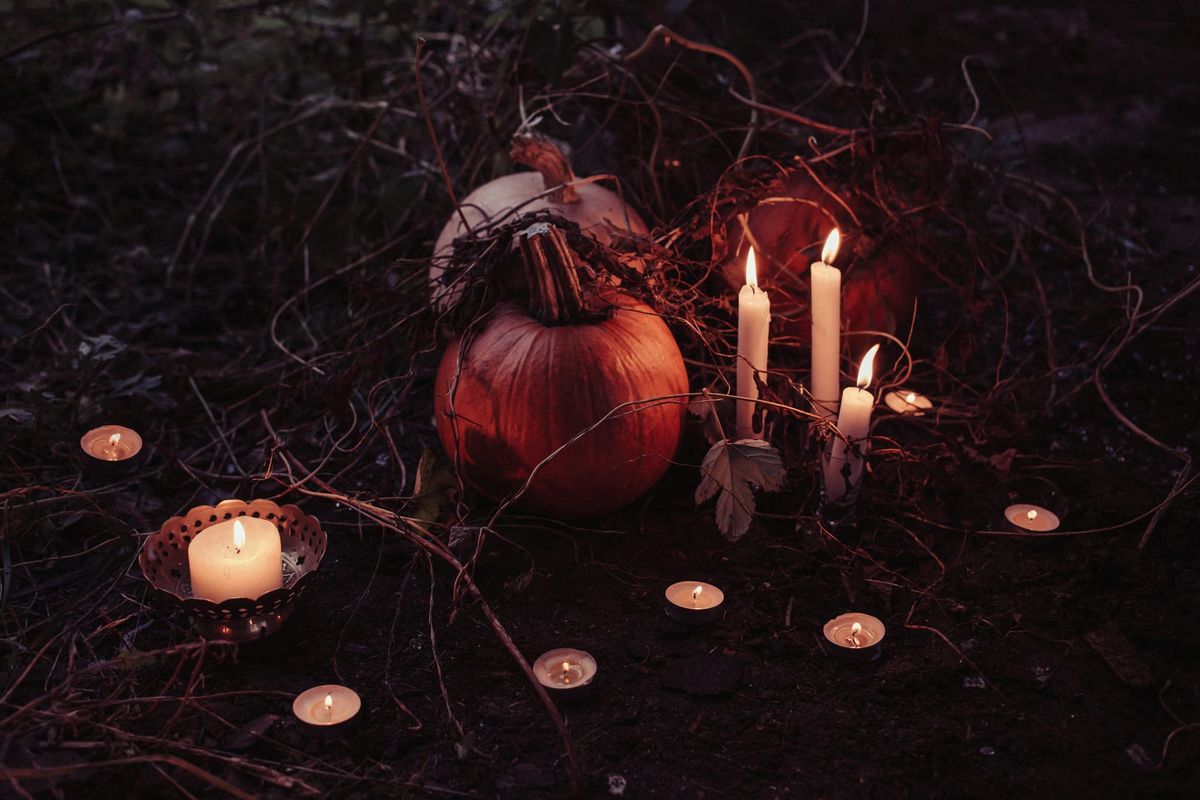
Halloween is one of the most recognisable celebrations connected with the end of October, and today it is usually associated with costumes, pumpkins, sweets, witches and stories about ghosts. However, the origins of the celebration are more complicated than the modern image of Halloween might suggest. The history of Halloween includes pre-Christian seasonal customs, Christian religious traditions and practices that developed over centuries, while some of the ideas about its ancient origins were shaped much later by scholars and popular culture.
Samhain and the Celtic Tradition
When discussing the origins of Halloween, one of the first things that comes to mind is Samhain, an ancient Gaelic festival associated with the transition from summer to winter. It is often described as the Celtic New Year and as a festival when the boundary between the living and the supernatural became weaker. However, this interpretation should be approached carefully because, as Ronald Hutton argues, the evidence for Samhain being a Celtic New Year and a major annual feast of the dead is weaker than is often presented in popular accounts.
According to Hutton, the idea of Samhain as the Celtic New Year was developed through the work of nineteenth and early twentieth century scholars, particularly John Rhys and James Frazer. The evidence that was used to support this interpretation was indirect and inconclusive, while the evidence for Samhain being a major Celtic festival dedicated specifically to the dead is even more limited. Therefore, it is more accurate to say that later interpretations of Samhain became an important part of the story that was eventually attached to Halloween. The said festival was connected with the seasonal transition and the approach of winter, and later traditions associated with Halloween developed in a cultural environment where older seasonal customs and Christian practices could exist alongside one another.
From Samhain to All Hallows' Eve
Another important part of Halloween's development is Christianity. The name Halloween itself comes from All Hallows' Eve, meaning the evening before All Hallows' Day, or All Saints' Day, which is celebrated on 1 November. The following day, 2 November, is associated in Western Christianity with All Souls' Day and the remembrance of the dead, although observance differs between Christian traditions.
This Christian calendar created an important period around the beginning of November in which saints, the dead and remembrance became connected with the end of October and beginning of November. Ó Croidheáin describes Halloween as part of this wider period of remembrance, while also connecting the celebration with the seasonal transition from harvest towards winter.
At the same time, older customs did not disappear because Christianity became dominant, instead some practices associated with Halloween included bonfires, divination, masking and games, remained forms of popular celebration. Nicholas Rogers also notes that All Hallows' Eve retained elements of older festive and supernatural traditions, including practices connected with magic and omens.
Halloween and the Changing Seasons
One of the most important elements in understanding Halloween is the connection with the changing seasons. The end of October marks the transition towards the darker and colder part of the year in the Northern Hemisphere, while historically this period was also connected with the completion of the harvest and preparation for winter. This seasonal aspect can help explain why Halloween became associated with both celebration and death. The end of the harvest represented the completion of an important part of the agricultural year, while winter represented a period of scarcity and darkness. Ó Croidheáin connects Halloween with this transition and with the human need to think about death, nature and the passing of generations.
This relationship between Halloween and death can also be seen in some of its traditional practices. Remembering the dead, telling stories about supernatural beings, using divination and creating rituals around the boundary between the living and the dead all became part of broader cultural meaning of the celebration.
Keep exploring the past. Subscribe to follow new stories, historical mysteries and ideas from the past world.
The Supernatural and the Living
Another important element of Halloween is the idea that the ordinary relationship between the living and the supernatural could temporarily change. Rogers describes Halloween as a liminal celebration, meaning that it exists in a space between ordinary categories and social rules. During the celebration, people could wear masks, participate in games, perform acts of mischief and engage with ideas about ghosts, spirits and supernatural forces.
This also helps explain why costumes became such an important part of Halloween. Dressing as someone or something else allowed people to step outside their ordinary identity, while the use of masks and disguises had older connections with festive traditions. These customs didn’t have the same meaning in every period, but they contributed to the development of Halloween as a celebration in which normal behaviour could be temporarily altered.
From Tradition to Modern Halloween
The Halloween that we recognise today developed much later than the medieval and early modern traditions associated with All Hallows' Eve. Many practices that are now considered typical of Halloween were gradually transformed as the celebration moved into modern society. Rogers points out that in North America Halloween did not become a major public celebration immediately. During the nineteenth century it competed with other popular celebrations and only became visible from around the 1880s onwards. Masking, pranks, treats and other forms of youthful entertainment were already established before the waves of Irish and Scottish immigration to North America, although immigration contributed to the development of Halloween in its later form.
The modern celebration also became notably connected with consumer culture. Costumes, decorations, sweets, films, haunted houses and other forms of entertainment transformed Halloween into something that could be experienced not only as a traditional celebration but also as a commercial and cultural event. Rogers argues that modern Halloween became vastly connected with popular culture, especially through films and other forms of mass entertainment. The pumpkin is a good example of this transformation. In Irish Halloween traditions, turnips and other vegetables were used for lanterns, while the pumpkin became associated with Halloween in North America, partly because it was more available and easier to carve.
Why Do We Still Celebrate Halloween?
Halloween has changed significantly throughout its history, but several of its older themes remain recognisable. The celebration continues to be associated with the changing seasons, supernatural beliefs, the dead, costumes, and games. At the same time, modern Halloween does not necessarily require people to believe in ghosts, spirits or supernatural beings. The supernatural can instead become part of entertainment, storytelling and popular culture. This is particularly visible in the way Halloween has been represented through films, television, literature and social media.
This transformation does not mean that the older meanings of Halloween have disappeared. Instead, different meanings can exist at the same time. Halloween can be a religiously connected period of remembrance, a seasonal celebration, a children's tradition, a commercial event or simply an opportunity for people to dress up and participate in a social event. Therefore, when we look at Halloween today, we are looking at a celebration that has been shaped by many different historical layers rather than a tradition that remained unchanged from the ancient world. Its history also shows how traditions can survive because they are capable of changing, adapting and acquiring new meanings as the societies around them change.
Keep exploring the past. Subscribe to follow new stories, historical mysteries and ideas from the past world.
This article explores topics related to Halloween, Samhain, All Hallows' Eve, All Saints' Day, All Souls' Day, Celtic New Year, Christianity, Christian traditions, October, November, Pumpkin, Trick or Treat
Sources:
Hutton, Ronald. “The Celtic New Year and Feast of the Dead.” Folklore, vol. 135, no. 1, 2024
Rogers, Nicholas. “Halloween in Urban North America: Liminality and Hyperreality.” Histoire Sociale/Social History, vol. 29, no. 58, 1996
Ó Croidheáin, Caoimhghin. “The Afterlife: A Trick or a Treat? Halloween Celebrations Past and Present.” CounterPunch, 31 Oct. 2023, https://www.counterpunch.org/2023/10/31/the-afterlife-a-trick-or-a-treat-halloween-celebrations-past-and-present/