Food and Daily Life in the Roman Empire
Discover what Romans really ate and how food, trade, and agriculture connected the ancient Mediterranean. From imported spices and olive oil to diverse diets in Roman Catalonia and Pannonia, explore the economic networks that helped sustain one of history’s greatest empires.

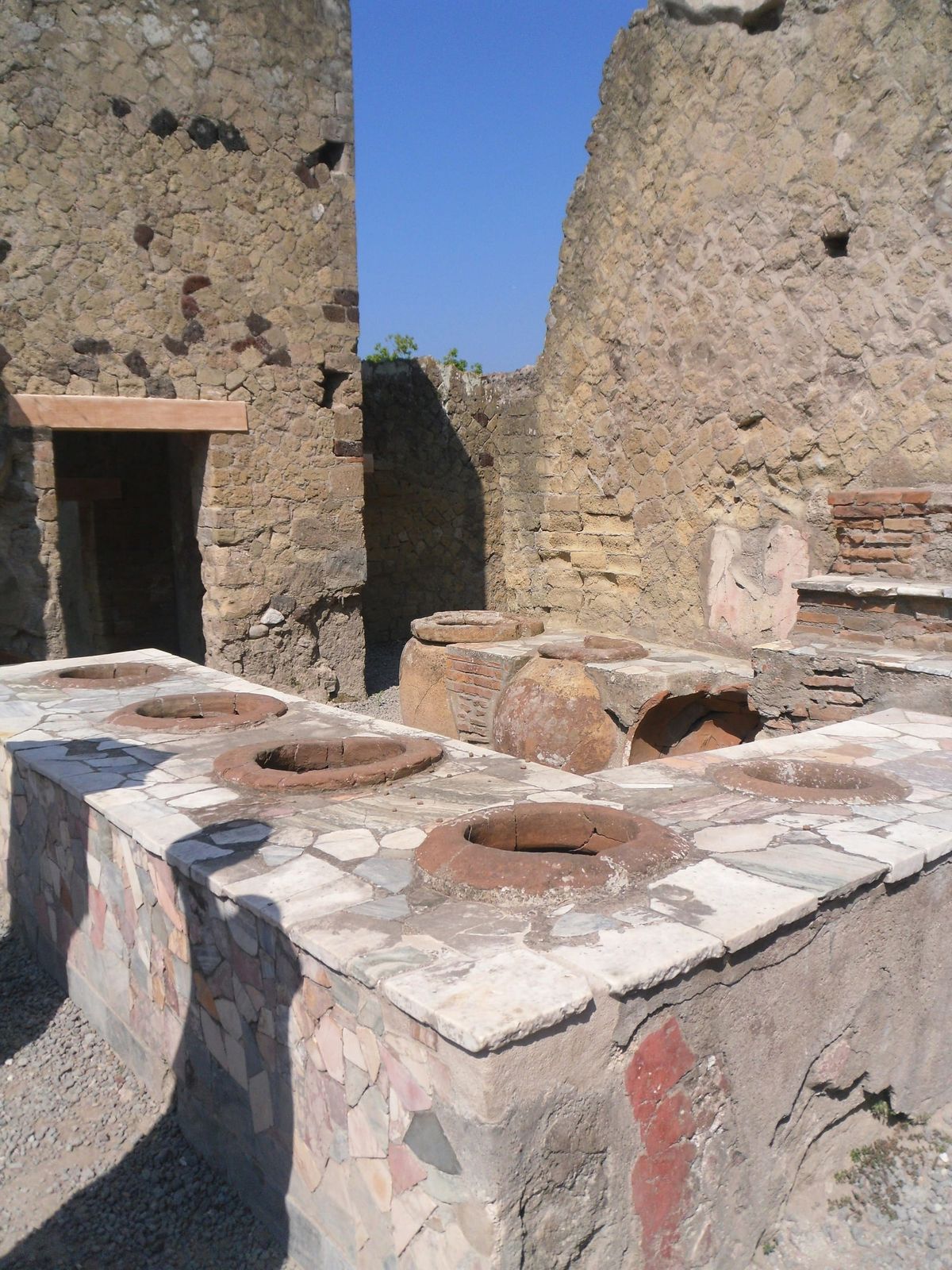
When people think about the Roman Empire, they usually imagine legions, emperors, and monumental architecture. However, behind Rome’s military victories and political power stood something far more essential: food. Feeding millions of people across a vast empire required sophisticated agricultural systems, long-distance trade networks, and an impressive ability to move goods from one end of the Mediterranean to the other.
Far from surviving on a simple diet of bread and olives, many inhabitants of the Roman world had access to a surprisingly diverse range of foods. Grain, wine, olive oil, fruits, vegetables, spices, meat, and fish circulated through markets connected by roads, rivers, and sea routes. Archaeological discoveries continue to reveal just how complex and interconnected the Roman food system was. By examining evidence from across the Empire, including Roman Catalonia and Roman Pannonia, we can gain a better understanding of how food was produced, traded, prepared, and consumed.
Food Consumption in the Roman World
In some regions, relatively stable access to food supplies, combined with the determination of ruling elites to encourage large-scale imports and exports of affordable food, contributed to a relatively varied diet available to many inhabitants.
This diet included cereals, legumes, meat, fish, shellfish, wine, olive oil, spices, fruit, nuts, and vegetables. In addition to a varied diet, Romans consumed a wide range of spices. Black pepper was among the most expensive exotic spices imported into the Empire, yet despite its cost, it appears to have been distributed across a remarkably broad market. Archaeological finds further demonstrate its popularity, with substantial quantities discovered at the Red Sea port of Berenike and at the river port of Straubing on the Danube.
Fruit cultivation could, in some cases, be slightly less labor-intensive than vegetable farming. Fruit trees required less manure, tolerated poorer soils and drier conditions, and needed occasional watering rather than constant irrigation. Numerous shipwrecks have preserved amphorae filled with fruit, particularly dates, which were not widely cultivated in most parts of the Mediterranean. Another discovery comes from Aquileia, where archaeologists uncovered a sealed amphora containing the stones of 162 peaches. This find not only illustrates the careful packaging, transport, and sale of highly perishable fruit but also suggests a sophisticated level of agricultural management. Analysis indicated that all the peaches came from the same variety, pointing toward a carefully maintained orchard and high standards of cultivation.
Read next: How Goods Were Produced and Traded in the Roman Empire
Diet in Roman Catalonia
Researchers analyzed fifty fragments of ceramic vessels from the Roman settlements of Puig Castellar de Biosca and Guissona (Iesso) in Catalonia in order to reconstruct dietary habits, food preparation methods, and culinary practices in the western provinces of the Roman Empire.
The results indicate a highly varied diet based on a combination of ruminant meat (cattle, sheep, and goats), pork, plant products, cereals, legumes, fruits, nuts, and vegetable oils. Residues of both animal and plant fats were identified in ceramic vessels, suggesting that ingredients were frequently combined during food preparation. The researchers argue that complex dishes containing both meat and plant-based ingredients were common.
Read next: Agriculture in the Roman Empire
One of the more significant conclusions is that dietary patterns appear to have remained relatively stable between the first century BC and the third century AD. While some foods became less common over time, there is evidence of considerable continuity in eating habits. For example, tubers and underground plant parts seem to have been used primarily until the first century AD, after which their presence becomes less visible in the archaeological record.
The analyses also revealed that many vessels had been exposed to extremely high temperatures. Chemical traces produced by the heating of fats and starches confirm that these containers were used for cooking and baking. Residues of resin and conifer wood were also identified, suggesting that such materials were used as fuel. The findings further indicate that vessels were not restricted to a single type of food. The same containers were repeatedly used for different ingredients and recipes, highlighting the flexibility of Roman cooking practices.
The Example of Roman Pannonia
Roman rule brought significant changes to food production, agriculture, and trade in southern Pannonia. The growth of urban centers such as Mursa (Osijek), Cibalae (Vinkovci), and Siscia (Sisak) increased demand for food and encouraged more intensive agricultural production and trade.
Researchers emphasize that the inhabitants of southern Pannonia continued to cultivate traditional crops while gradually adopting new plants, technologies, and dietary habits introduced under Roman influence. Archaeobotanical evidence confirms the cultivation of various cereals, particularly wheat and barley, while legumes such as lentils and beans remained important food sources.
Read next: Urban and Rural Industries in the Roman Empire
Roman trade networks provided access to products from distant parts of the Empire. Amphorae and other ceramic finds indicate imports of wine, olive oil, and fish products from Italy, Hispania, and other Mediterranean regions. Some sites have also yielded traces of exotic goods such as black pepper and rice, demonstrating the extensive reach of Roman commercial connections.
Zooarchaeological evidence shows that cattle, pigs, and sheep formed the primary sources of meat, while hunting and fishing played smaller but still significant roles in local diets. Differences between urban and rural communities were also apparent, as inhabitants of larger towns generally enjoyed access to a wider variety of foods through more developed trade networks.
The authors conclude that the food system of southern Pannonia represented a complex combination of local production and imported goods. Although many dietary traditions survived from the pre-Roman period, Roman conquest and integration into the imperial economy expanded food diversity and strengthened connections with the wider Mediterranean world. Despite the limited quantity of archaeobotanical evidence currently available, existing findings suggest that settlements along the Danube frontier were firmly integrated into the Roman food system and that their diets may have been more diverse than previously assumed.
Conclusion
As the Roman Empire expanded, so too did the need for the production and exchange of a wide variety of goods. Agricultural products, manufactured items, and raw materials moved across vast distances through networks that connected rural communities, urban centers, and distant provinces. Food production, textile manufacturing, mining, and construction all played important roles in sustaining the Empire’s economic strength.
Agriculture remained the foundation of Roman society. Farmers cultivated a broad range of cereals, fruits, and vegetables, while innovations such as artificial irrigation helped increase productivity in regions where water was scarce. Polyculture was a particularly popular farming strategy, reducing the risks associated with crop failure. Alongside landowners, slaves, and agricultural laborers, tenant farmers also played an important role in maintaining this complex and highly organized system.
Beyond agriculture, textile production was among the most widespread industries in the Roman world. Wool remained the dominant raw material, making sheep farming closely connected to textile manufacturing. Mining likewise occupied a crucial position within the Roman economy, supplying valuable metals and resources that supported trade, construction, and coin production. The movement of these goods depended on well-developed shipbuilding and transportation networks that connected merchants across the Mediterranean.
When we consider the production and distribution of goods as a whole, from diverse food products to the building materials used in monumental construction, the Roman world emerges as a remarkably sophisticated society. Its economic system was supported by extensive trade, organized labor, and the ability to coordinate resources across an enormous territory. While the Roman economy had its limitations, it nevertheless demonstrates the impressive capabilities of one of history’s most influential civilizations.
If you enjoyed the series on the Roman economy, subscribe for more similar content!
This article explores themes related to Roman food, food production, Roman economy, Roman Pannonia, Roman Catalonia.
Sources:
Kron, Geoffrey. „Food Production.“ The Cambridge Companion to the Roman Economy, edited by Walter Scheidel, Cambridge University Press, 2012
Kelly Reed, Ivana Ožanić Roguljić. „The Roman Food System in Southern Pannonia (Croatia) From the 1st–4th Century A.D.“, Open Archaeology, 2020
Theoni Baniou, et al.„Tracing culinary practices in the western provinces of the Roman Empire using Organic Residue Analysis“, Archaeological and Anthropological Sciences, 2024
Kehoe, D. P. “The Early Roman Empire: Production.” The Cambridge Economic History of the Greco-Roman World, edited by Walter Scheidel, Ian Morris, and Richard P. Saller, Cambridge University Press, 2007.